
Many patients focus heavily on the operation itself and forget that recovery actually happens at home. In Gondia and nearby towns, home layouts, stairs and bathrooms can make a big difference to how comfortable your first few weeks feel.
This is a practical checklist of small changes that can make coming home after knee or hip replacement much easier for you and your family.
1. Think about where you will sleep
In the first weeks after surgery, getting in and out of bed should be as easy and safe as possible:
- Bed height: A bed that is too low makes standing up difficult. Aim for a height where your knees are roughly at 90° when you sit, not much higher or lower.
- Location: If your main bedroom is upstairs and stairs are steep, consider using a temporary bedroom on the ground floor until you feel stronger.
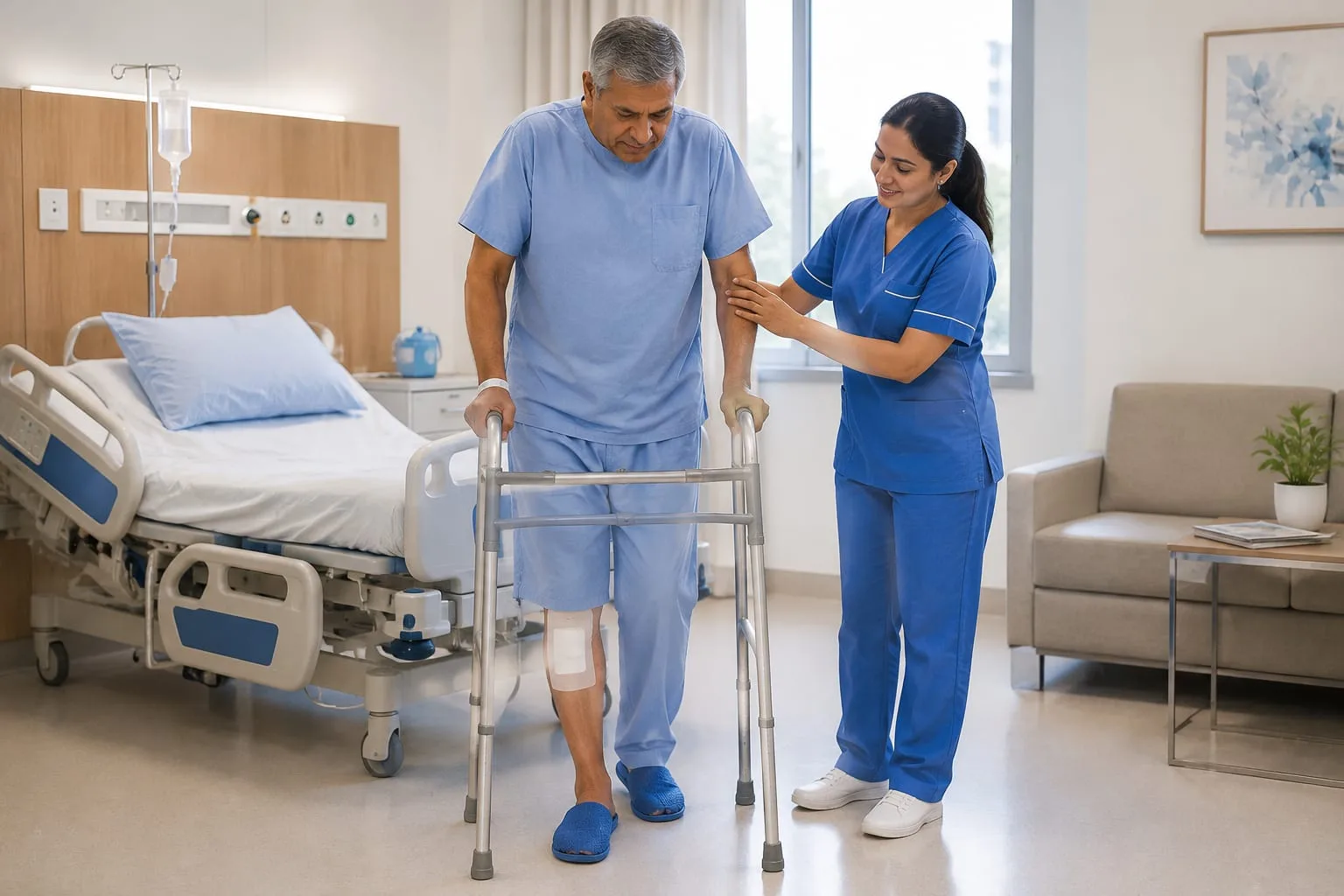
- Space: Leave enough space around the bed for a walker or walking stick and for a helper to stand safely.
2. Make the bathroom safer
Bathrooms are common places for slips, especially when you’re adjusting to new movement.
Experiencing joint pain? Book a personalised consultation with Dr. Om Baghele.
Simple improvements:
- Non-slip mats inside and just outside the bathroom.
- Grab handles or bars near the toilet and shower area, if possible.
- Raised toilet seat or commode chair if using low or Indian toilets, especially after hip replacement.
- Keep soap and buckets at a height you don’t have to bend deeply to reach.
These changes don’t need to be expensive – sometimes a few rails and mats go a long way.
3. Plan your path inside the house
Walk through your usual path – from bed to bathroom, to kitchen, to main door – and check for:
- Loose rugs or mats that might catch your walker or slippers.
- Clutter on the floor – low stools, buckets, toys, sacks.
- Uneven surfaces or steps without railings.
Clearing and smoothing these paths before surgery means less frustration and fewer near-falls after you come back.
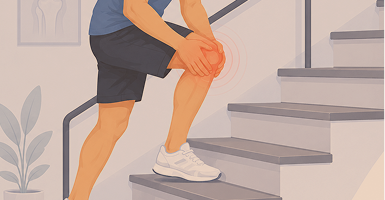
4. Check your stairs
If you have stairs inside or outside the house:
- Ensure there is at least one strong railing or handhold.
- Good lighting on staircases helps early morning or evening use.
- During the first weeks, plan to use stairs only with someone nearby until physiotherapy says you’re safe to do it alone.
5. Organise daily essentials within reach
In the first few weeks, bending down or reaching up high can be uncomfortable.
- Keep commonly used items – clothes, medicines, water, snacks – at waist to chest height.
- Ask family to place kitchen essentials where you can access them without stretching.
- If you need to use documents or a phone, keep them on a nearby table, not on the floor or a low shelf.
6. Plan family support realistically
Recovery involves:
- Bathing and dressing support in the early days.
- Help with cooking, housework and errands.
- Someone to accompany you for follow-up visits.
In many families, people work during the day. Discuss who will be available and when so that expectations are clear. If no one is free during key hours, explore short-term home nursing support or help from a nearby relative or neighbour.
7. Think about follow-up visits and physiotherapy
Before surgery, ask:
- “How many follow-up visits will I need in the first month?”
- “Will physiotherapy happen at the hospital, at home, or both?”
Then plan who will bring you to follow-up visits, and how often.
8. Make a simple recovery corner
A small “recovery corner” near your bed – with a chair, table and good light – can be helpful:
- A chair with arms makes sitting and standing easier than a low, soft sofa.
- A small table holds medicines, water, phone and reading material.
- Good lighting helps you see where you’re placing your feet and walker.
Key takeaways
- Recovery happens at home – small changes to bed, bathroom, stairs and storage can make a big difference.
- Planning family support and follow-up logistics in advance reduces stress for everyone.
- You don’t need to renovate your entire house – focus on safety, ease of movement, and keeping essentials within reach.