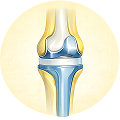
Arthritis can cause pain, stiffness, swelling, and gradually reduce mobility and confidence. Whether it's morning stiffness, joint swelling, or difficulty with daily activities - the cause and stage matter. The right treatment depends entirely on an accurate diagnosis.

Arthritis is a leading cause of joint pain and reduced mobility, affecting the knee, hip, shoulder, and other joints. It may begin gradually with stiffness and mild discomfort, and progress over time if not properly managed.
Dr. Om Baghele provides comprehensive evaluation and treatment for arthritis at every stage - from early preservation strategies to advanced joint replacement surgery when needed.
His approach combines accurate diagnosis, clear patient communication, and a recovery-focused treatment plan personalised to your specific condition, lifestyle, and goals.
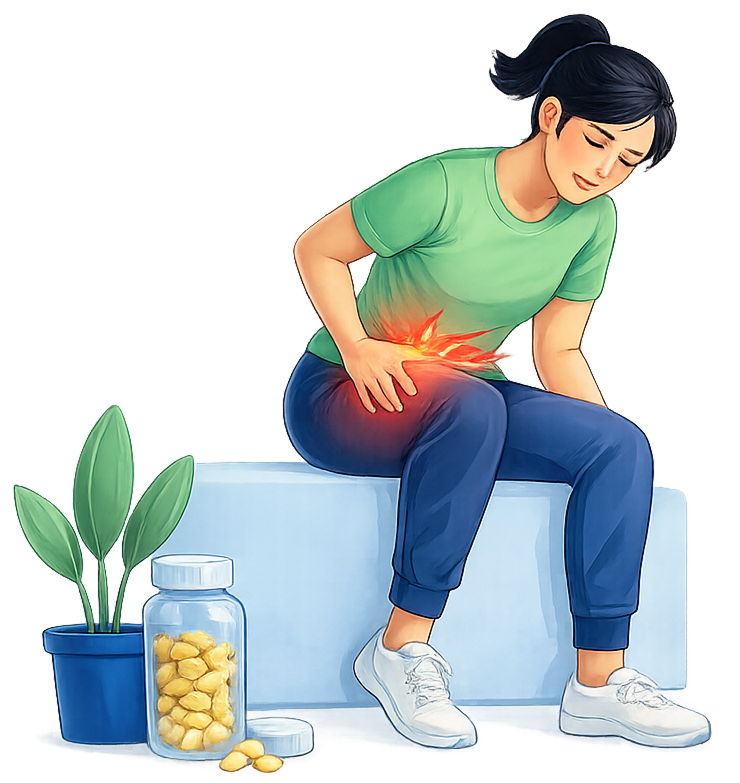
Duration, affected joints, triggers, and previous treatment
Joint assessment, swelling, deformity check
Joint space, arthritis grading
Inflammatory markers, rule out autoimmune causes
Detailed joint assessment (if needed)
Most patients with early to moderate arthritis benefit significantly from a structured non-surgical programme, especially when started early.
Surgery is recommended only when non-surgical treatment has been properly tried and failed, or when the joint damage is too advanced for conservative treatment to help meaningfully.
If you're unsure, Dr. Om will give you an honest assessment - including if you're not ready for surgery yet.
Arthritis generally can't be fully reversed, but its symptoms can be effectively managed, and progression can be slowed significantly with the right treatment, especially when started early.
Osteoarthritis most commonly becomes noticeable after age 40–50, though inflammatory types like rheumatoid arthritis can appear at any age, including in younger adults.
Yes, many patients manage well for years with medication, physiotherapy, injections, and lifestyle changes. Replacement is only recommended when conservative treatment no longer provides adequate relief.
Yes, the right type of low-impact exercise is usually safe and genuinely helpful for joint health and muscle support, though intensity should be guided by your specific condition.
Osteoarthritis is caused by mechanical wear of joint cartilage over time, while rheumatoid arthritis is an autoimmune condition where the body's immune system attacks the joints. They require different treatment approaches.
Don't let arthritis limit your life. Get expert evaluation and a personalised treatment plan.